Graphics API with OpenGL
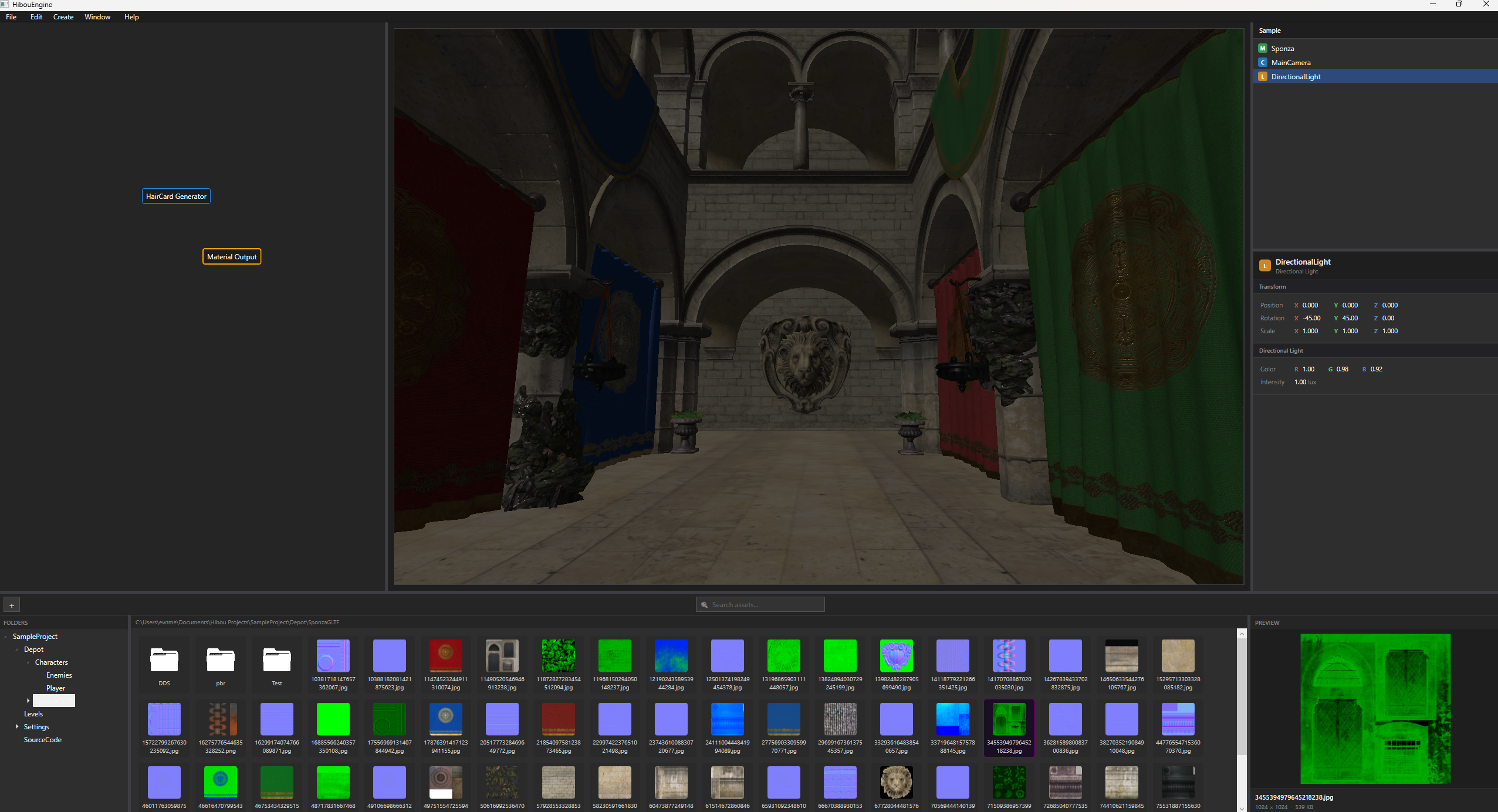
For rendering, the engine uses OpenGL. The choice was focused on simplicity and rapid implementation, to focus on editor's tools and ensuring interoperability between C++ and C#, that was something I wanted to prioritize rather than pursuing ultra-realistic graphics.
Editor Built with WPF
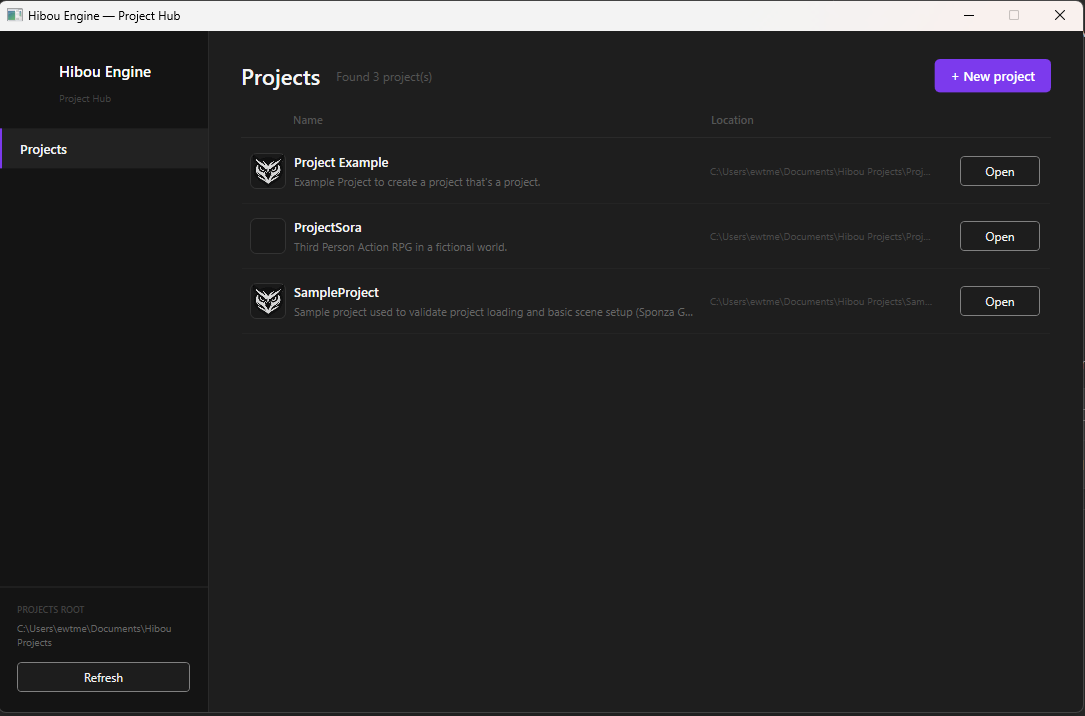
The editor's interface is developed using WPF (Windows Presentation Foundation). This allows for the creation of a rich, modern, and highly customizable user interface for the Windows platform, facilitating the development of complex tools like node editors.
Projects and Serialization
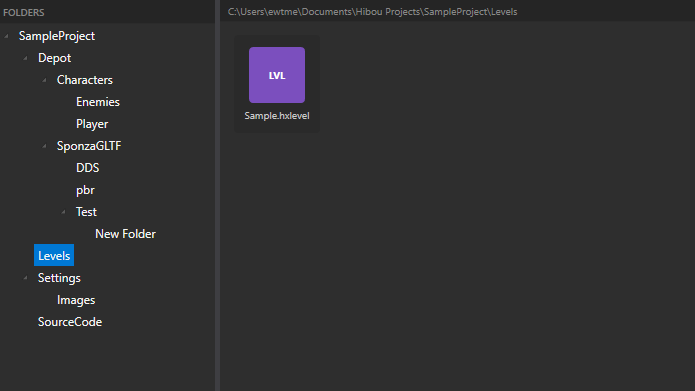
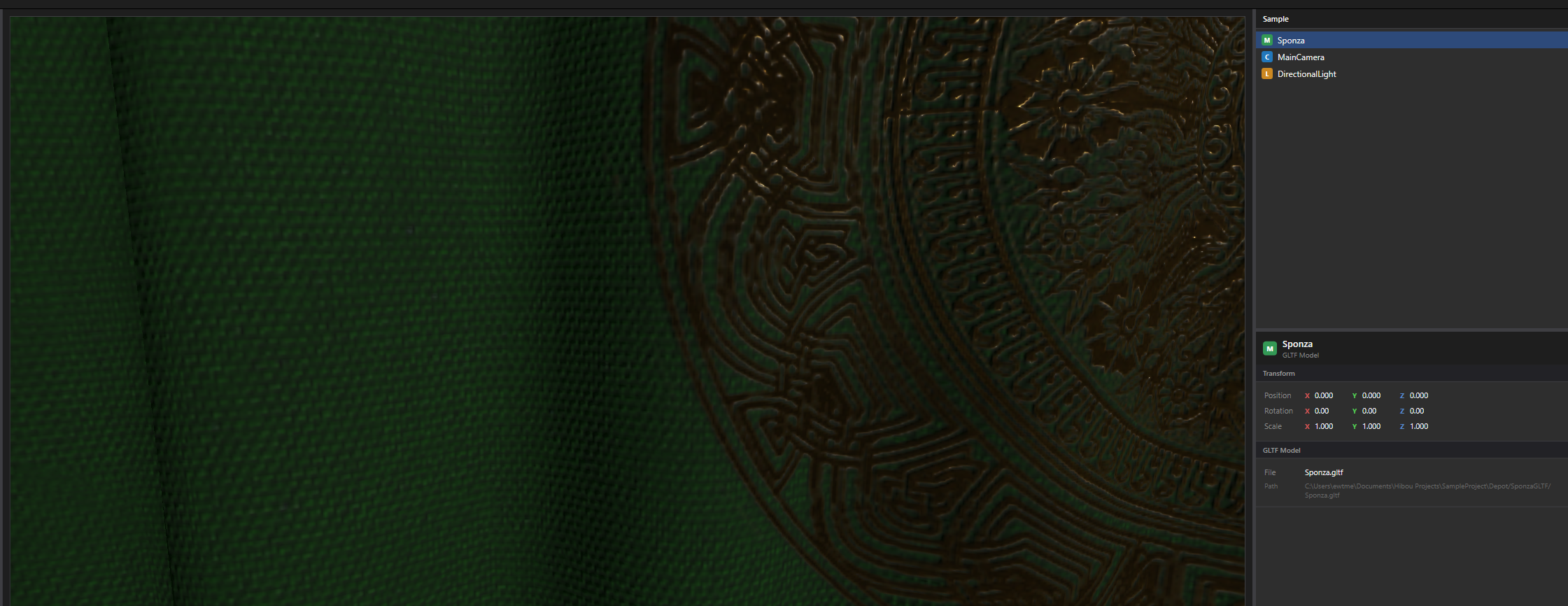
Each project in Hibou Engine is handled independently. All scenes, entities, components, and settings are serialized, allowing projects to be saved, loaded, and shared efficiently.
Architecture with EnTT
The engine's core is built on an ECS architecture using EnTT.
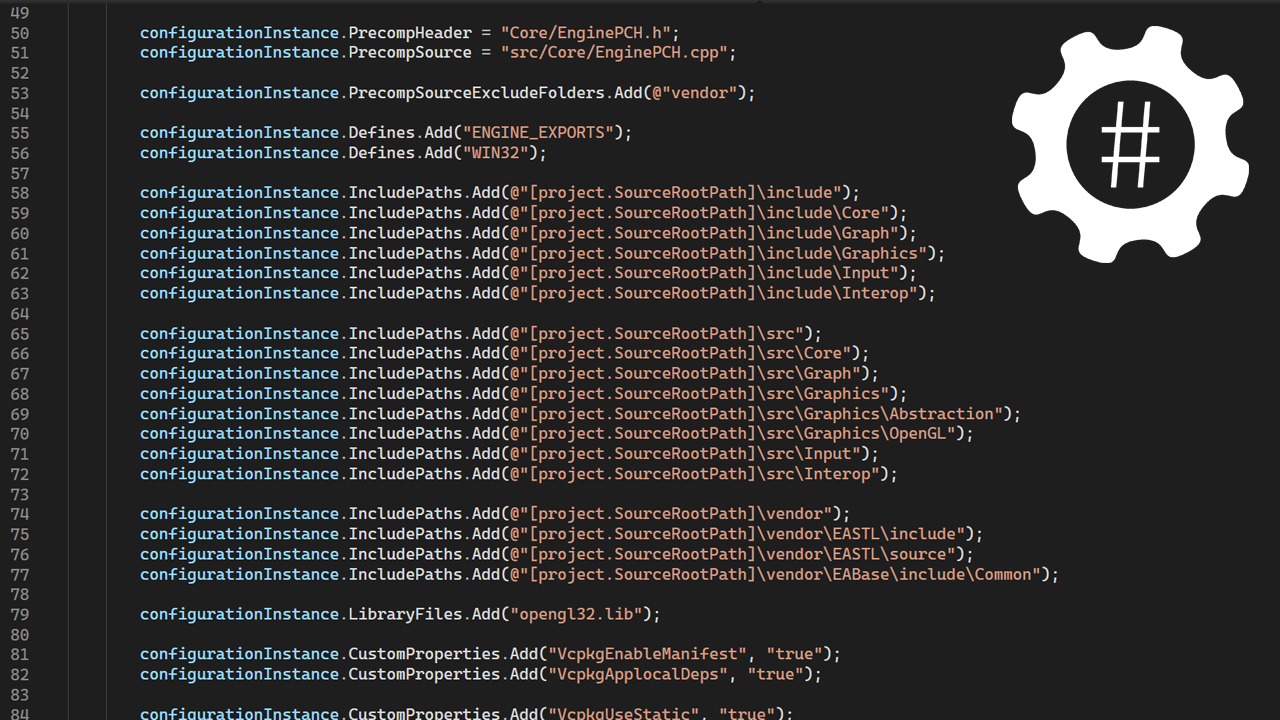
Flexible Build System via Sharpmake
Project and solution files are generated programmatically using Sharpmake, an open-source C#-based tool from Ubisoft.
Performance and Future Goals
This is a study project that I'm working in my free time focused on C# and C++ interoperability, don't expect a commercial roadmap since it's not my intention to create a commercial product.
Optimized for Games with EASTL
To meet the stringent performance and memory requirements of game development, the standard C++ library (STL) is being progressively replaced with Electronic Arts' EASTL. It is specifically designed for games, offering better control over memory allocation and superior performance in critical engine systems.
Roadmap: Visual Scripting
The primary future goal is to implement a node-based visual scripting system. The UI foundation is built with Nodify, and the current focus is on the underlying graph theory and logic execution. This feature aims to empower designers and demonstrate deep knowledge of tooling workflows.